 Mookmik
How to end screen time without a meltdown
Stopping is the hardest part of screen time for little ones. Seven gentle, practical ways to make 'time to stop' a lot less dramatic.

For many families, the hardest part of screen time isn't starting it. It's stopping. One moment your child is happily watching; the next, there are tears on the floor because the tablet has to go away.
That's normal. Young children are still learning to switch from something they love to something they didn't choose, and many apps and videos are designed to be hard to put down. These seven ideas won't prevent every meltdown, but they make the end of screen time more predictable, and predictable is easier.
1. Agree on the end before you start
"You can play until the timer rings" or "two episodes, then we go to the park." Saying it before the screen turns on means the end isn't a surprise, and it isn't a new decision you have to defend.
2. Give a countdown
A heads-up at five minutes and again at one minute gives your child time to get ready. For little ones who can't tell the time yet, try "when this song ends" or "after this one".
3. Let something else be the bad guy
A timer, a sand glass or an app's own break is easier to accept than a grown-up saying "no more". The rule belongs to the timer, and you get to be on your child's side: "Oh no, the timer rang. Let's go and see what's for snack."
4. Stop at a natural ending
Switching a show off halfway through is much harder than stopping at the end of an episode, a song or a game. Choose things with clear endings, and turn off autoplay where you can.
5. Have something to say yes to
"Screens off" goes down better when it comes with "and now…". Keep a simple next activity ready: crayons on the table, a puzzle, bubbles in the garden, helping you cook. A drawing corner that's always ready makes this easy.
6. Name the feeling, keep the limit
You can be kind and firm at the same time: "You're sad it's finished. You really wanted more. It's still time to stop." Naming the feeling helps your child feel understood. Changing the rule teaches that crying works.
7. Keep screens out of the bedtime routine
The hour before bed is the hardest time to stop, and the American Academy of Pediatrics suggests avoiding screens then anyway. A predictable routine of bath, book and bed is easier on everyone.
Some days the meltdown happens regardless. That's OK. Stay calm, keep the limit, and try again tomorrow. Being consistent over weeks matters more than any single afternoon.
How Mookmik helps
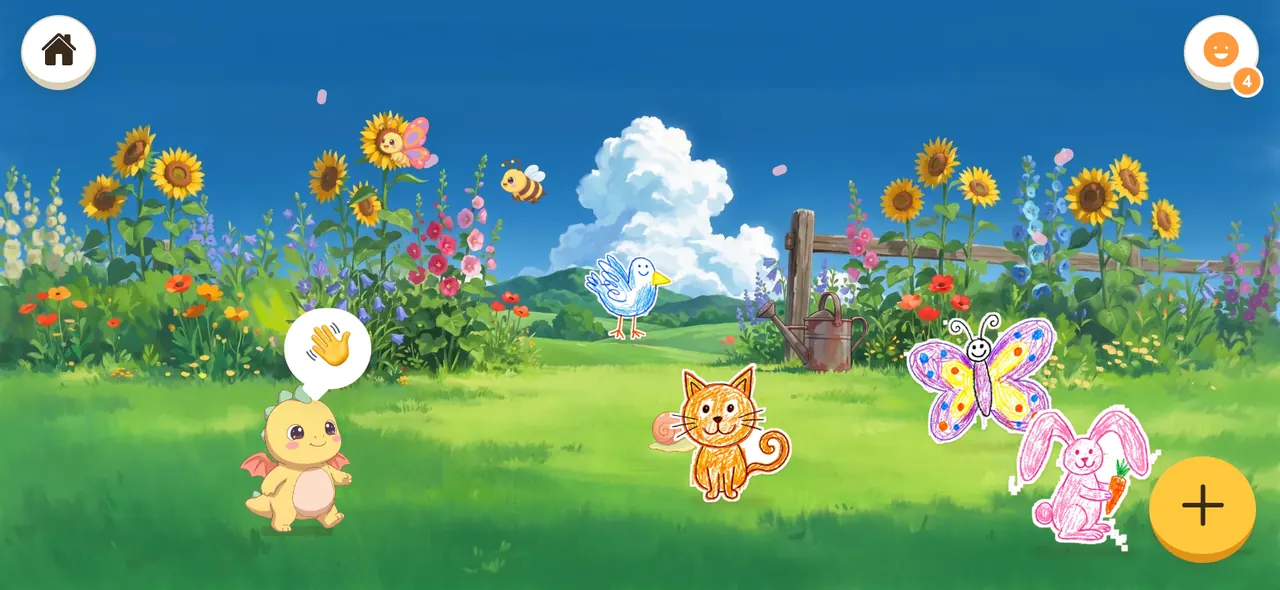
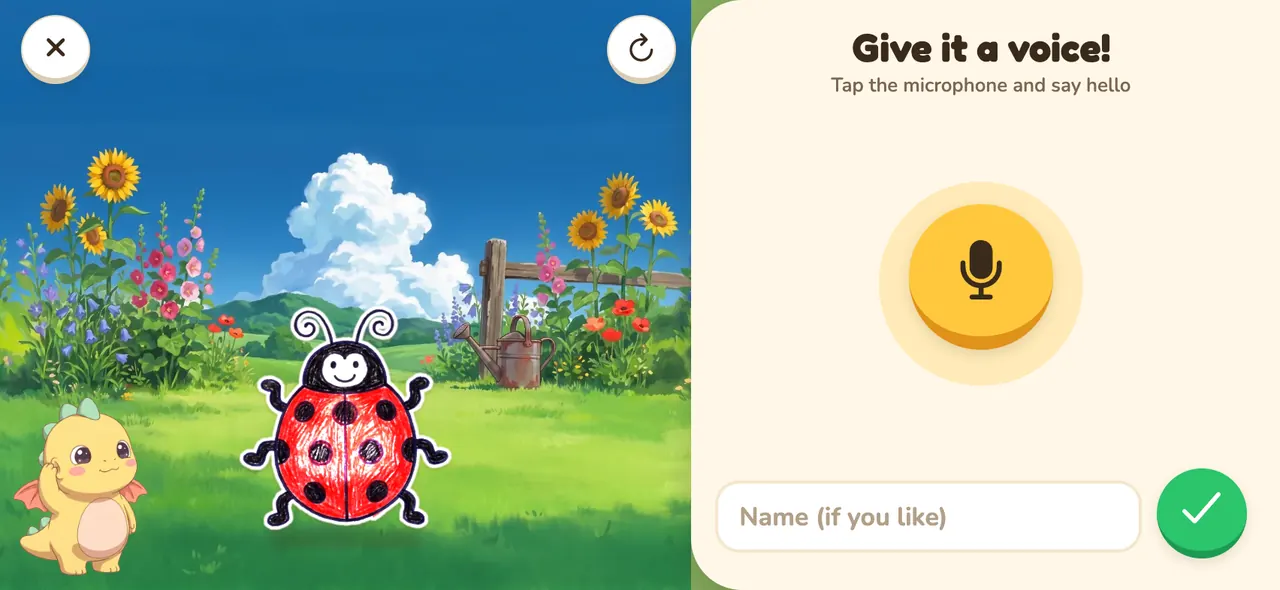
Mookmik World has a rest reminder you can switch on in the grown-ups' area. After 15 or 30 minutes of play, Pip gets sleepy, the music fades and the screen rests, and only a grown-up can add more time. And because every new friend in the app starts as a drawing on paper, the "next thing" is built in: go and draw another one.


 Mookmik World