 Mookmik
How much screen time is OK for a 3- to 5-year-old?
What the World Health Organization and the American Academy of Pediatrics say about screens for preschoolers, and six simple ways to make the time you do allow count.

If you've ever handed over a phone to get through a phone call, a long car ride or dinner prep, you're in good company. Screens are part of family life now. The question most parents ask isn't "screens or no screens?" but "how much is too much, and what kind is OK?"
Here's what the main health guidelines actually say, plus a few practical ideas that don't need a total ban.
What the guidelines say
World Health Organization
In its guidelines for children under five, the WHO recommends that children aged 2 to 4 spend no more than one hour a day in sedentary screen time, and adds that less is better. For babies and one-year-olds, it doesn't recommend sedentary screen time at all. When young children are sitting still, the WHO encourages reading and storytelling with a grown-up instead.
The same guidelines ask for at least three hours of active play spread through the day, and 10 to 13 hours of good sleep for 3- and 4-year-olds. Screen time is one piece of a bigger picture: a day with lots of moving, playing and sleeping.
American Academy of Pediatrics
The AAP has long suggested about one hour a day of high-quality programmes for children aged 2 to 5, ideally watched together with a parent. Its newer guidance puts less weight on the clock and more on quality, context and conversation: what your child is doing on the screen, whether you're doing it together, and what the screen is replacing. It also suggests keeping bedrooms and mealtimes screen-free and avoiding screens in the hour before bed.
Not all screen time is the same
An hour of autoplaying videos and fifteen minutes of something creative with you beside them are both "screen time", but they're very different experiences. A few questions help sort it out:
- Is my child making something, or only watching? Creating, talking and moving beat endless scrolling.
- Are we doing it together? Talking about what's on the screen turns it into a conversation.
- Is it calm or frantic? Fast cuts, flashing rewards and "just one more" loops make it harder to stop.
- What is it replacing? Screens at bedtime, at meals or instead of outdoor play cost the most.
Six ways to make screen time count
- Decide before, not during. Agree on when and how long before the tablet comes out. "After lunch, until the timer rings" is easier than negotiating halfway through a video.
- Use a timer everyone can see. A kitchen timer or a sand timer makes the end feel fair, not personal. If an app has a built-in break, switch it on.
- Keep a few places screen-free. Bedrooms and the dinner table are good places to start.
- Sit in when you can. Ask "What's happening? Who's that?" Even five minutes together changes the experience.
- Have the next thing ready. Crayons and paper on the table, shoes by the door. It's easier to stop when there's something to say yes to. (More on that in how to end screen time without a meltdown.)
- Notice your own screen. Children watch what we do, not just what we say.
When you're unsure, aim for screen time that is short, shared, and leads to something off the screen: a drawing, a game, a conversation.
Where Mookmik fits
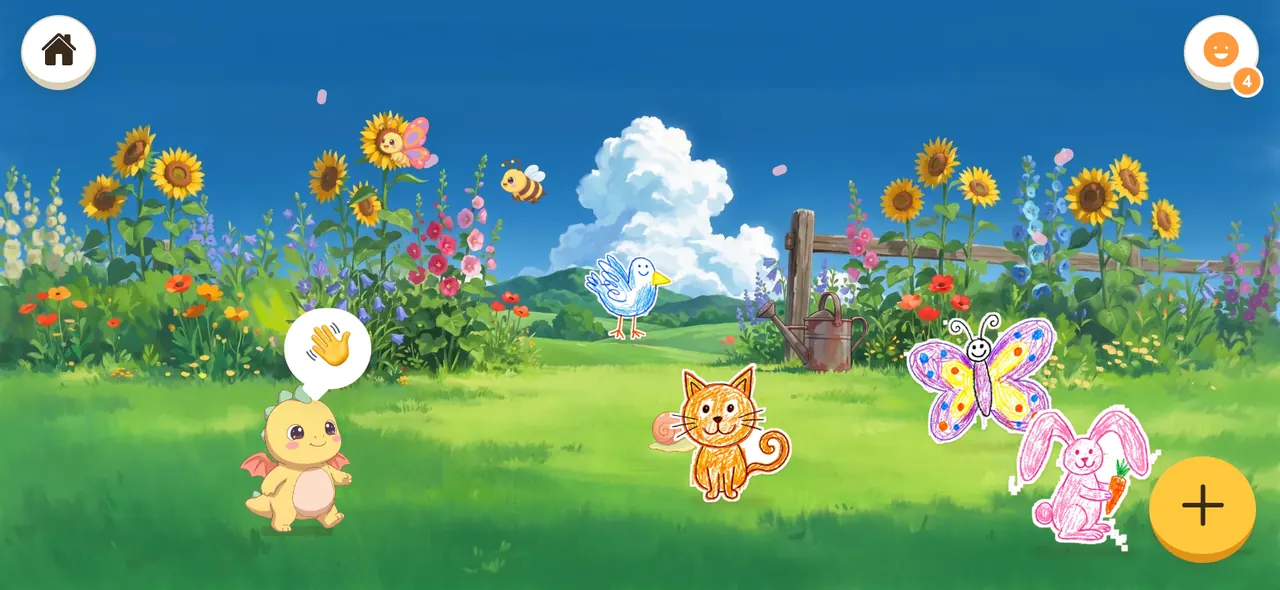
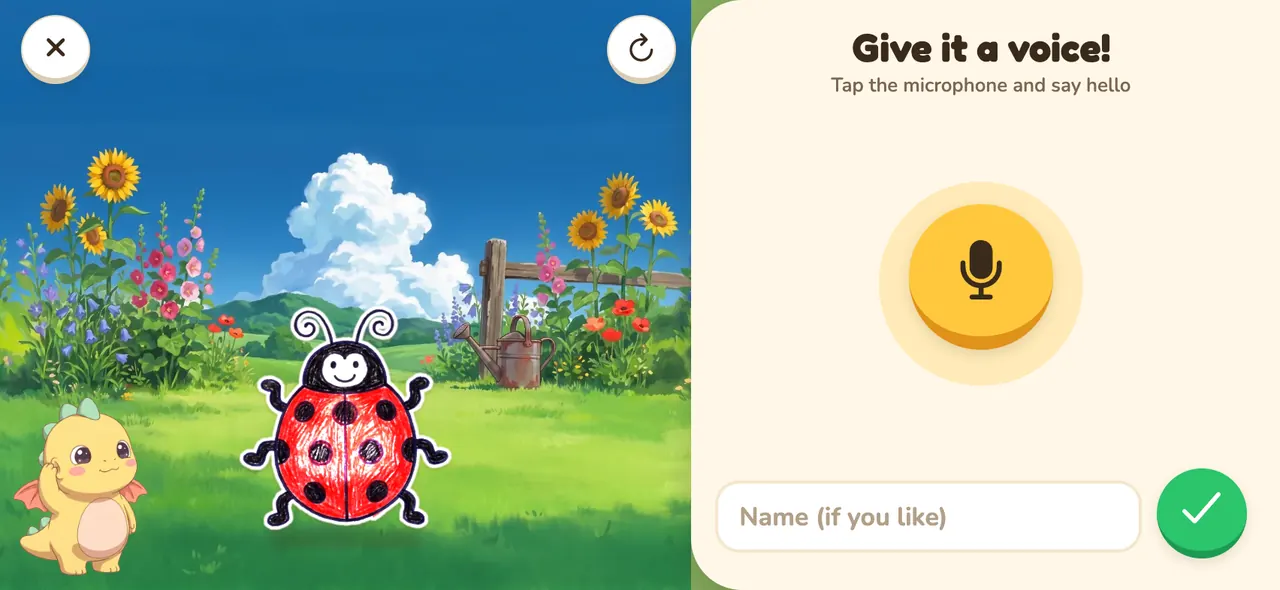
We built Mookmik World around that last idea. Every friend in the app starts as a drawing on real paper. The screen part is short: snap a photo, give the drawing a name and a voice, and watch it play in a painted world. If your child wants another friend, it's back to the crayons. A rest reminder in the grown-ups' area makes Pip sleepy after 15 or 30 minutes.
It's still a screen, and we won't pretend otherwise. But it's one that sends kids back to paper.
Sources
- World Health Organization (2019): To grow up healthy, children need to sit less and play more
- American Academy of Pediatrics, HealthyChildren.org: Helping kids thrive in a digital world: AAP policy explained


 Mookmik World